Discover Palm Oil
From Planting to Refining: The Palm Oil Production Process
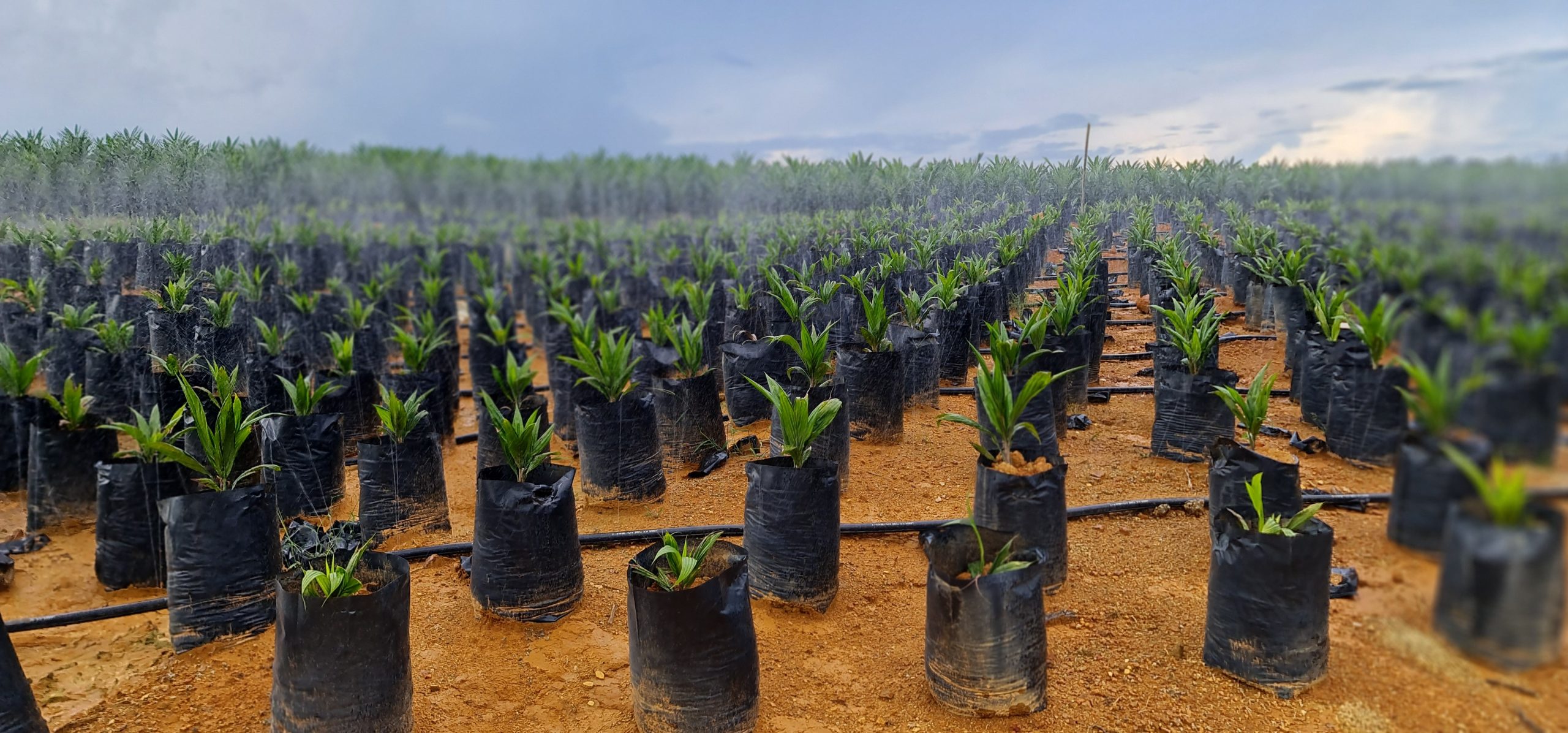
From planting and harvesting fresh fruit bunches to milling, steaming, and refining, the palm oil production process transforms raw fruits into valuable oils used worldwide.

Discover Palm Oil
Uses of Palm oil
Palm oil, the most traded vegetable oil and Malaysia’s leading agricultural export, is used in a wide range of products, from food items such as pizzas and chocolates to non-food products like deodorants and biofuels.
Here Are Some Fun Facts On Palm Oil:
Beauty Care
Palm oil is a natural skin nourisher that creates a protective shield against environmental pollutants. It’s often found in skin creams that restore hydration and lock in moisture
Soap
It plays a starring role in soaps and detergents by supplying sodium lauryl sulfate, the foaming agent that makes your shampoo and soap bubbly and effective.
Healthcare
Palm oil provides vitamin E and fatty acids used in supplements, medicines, and ointments for antioxidant and skin-healing benefits.
Animal feed
Palm oil by-products, such as palm kernel meal, serve as a nutritious and cost-effective ingredient in animal feed, providing essential protein, fiber, and energy for livestock and poultry nutrition.
Energy
Palm-Oil is processed into fatty acid methyl esters (FAME) to create biodiesel, a green alternative to fossil fuels. Countries like Indonesia and Malaysia even mandate blending palm-based biodiesel into their fuels.
Skin Care
Palm-Oil is processed into fatty acid methyl esters (FAME) to create biodiesel, a green alternative to fossil fuels. Countries like Indonesia and Malaysia even mandate blending palm-based biodiesel into their fuels.
Soap
It plays a starring role in soaps and detergents by supplying sodium lauryl sulfate, the foaming agent that makes your shampoo and soap bubbly and effective.
Cosmetics
In cosmetics, palm oil is a favourite for shampoos, lotions, and makeup because of its ability to moisturise and keep skin and hair soft, smooth, and glowing.
Animal feed
Palm oil by-products, such as palm kernel meal, serve as a nutritious and cost-effective ingredient in animal feed, providing essential protein, fiber, and energy for livestock and poultry nutrition.
Energy
Palm-Oil is processed into fatty acid methyl esters (FAME) to create biodiesel, a green alternative to fossil fuels. Countries like Indonesia and Malaysia even mandate blending palm-based biodiesel into their fuels.
Palm Oil vs Palm Kernel Oil
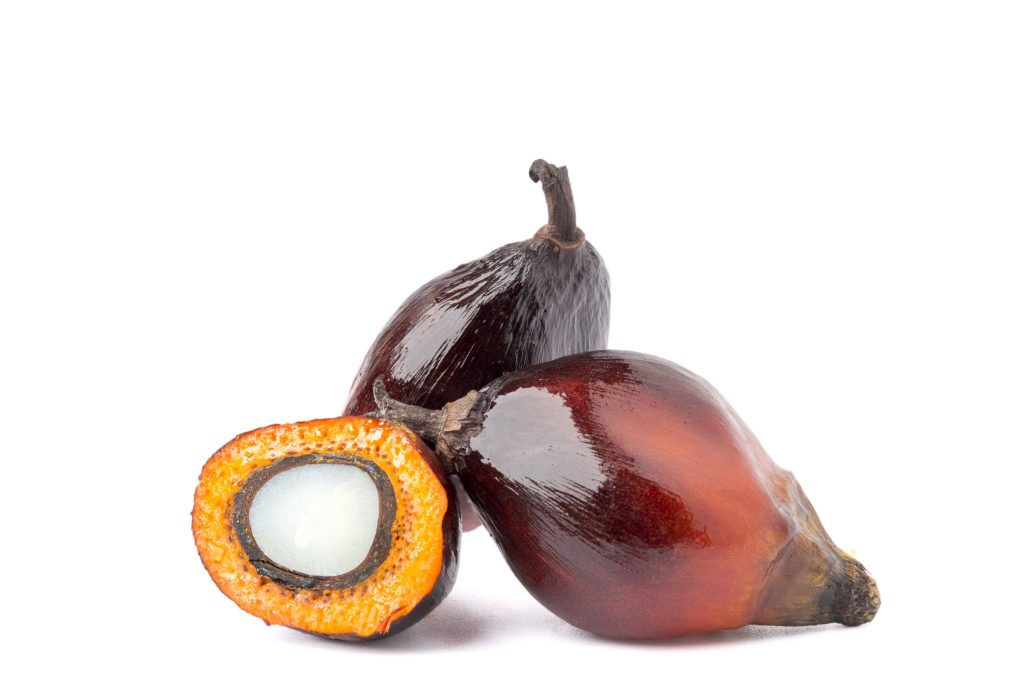
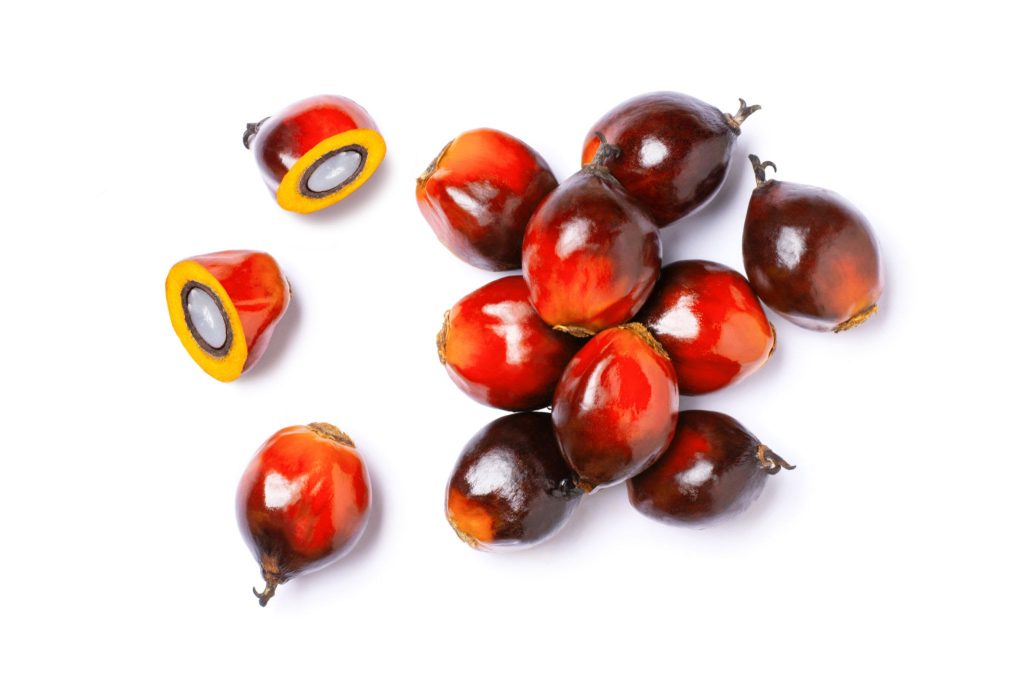
Palm oil and palm kernel oil both come from the oil palm fruit, but they are extracted from different parts of the fruit and have distinct compositions and uses. Understanding these differences is important for selecting the right oil for various applications, from cooking to industrial uses.
Palm Oil
- Versatile and beneficial for health, rich in essential vitamins and suitable for cooking, while also being used in producing biodiesel
- Boasts a balanced ratio of unsaturated and saturated fatty acids
- Rich source of carotenoids and Vitamin E
Palm Kernel Oil
- Generally used for non-edible purposes such as the formulation of soaps, cosmetics & detergents.
- Used in commercial cooking and frying
- More saturated than palm oil